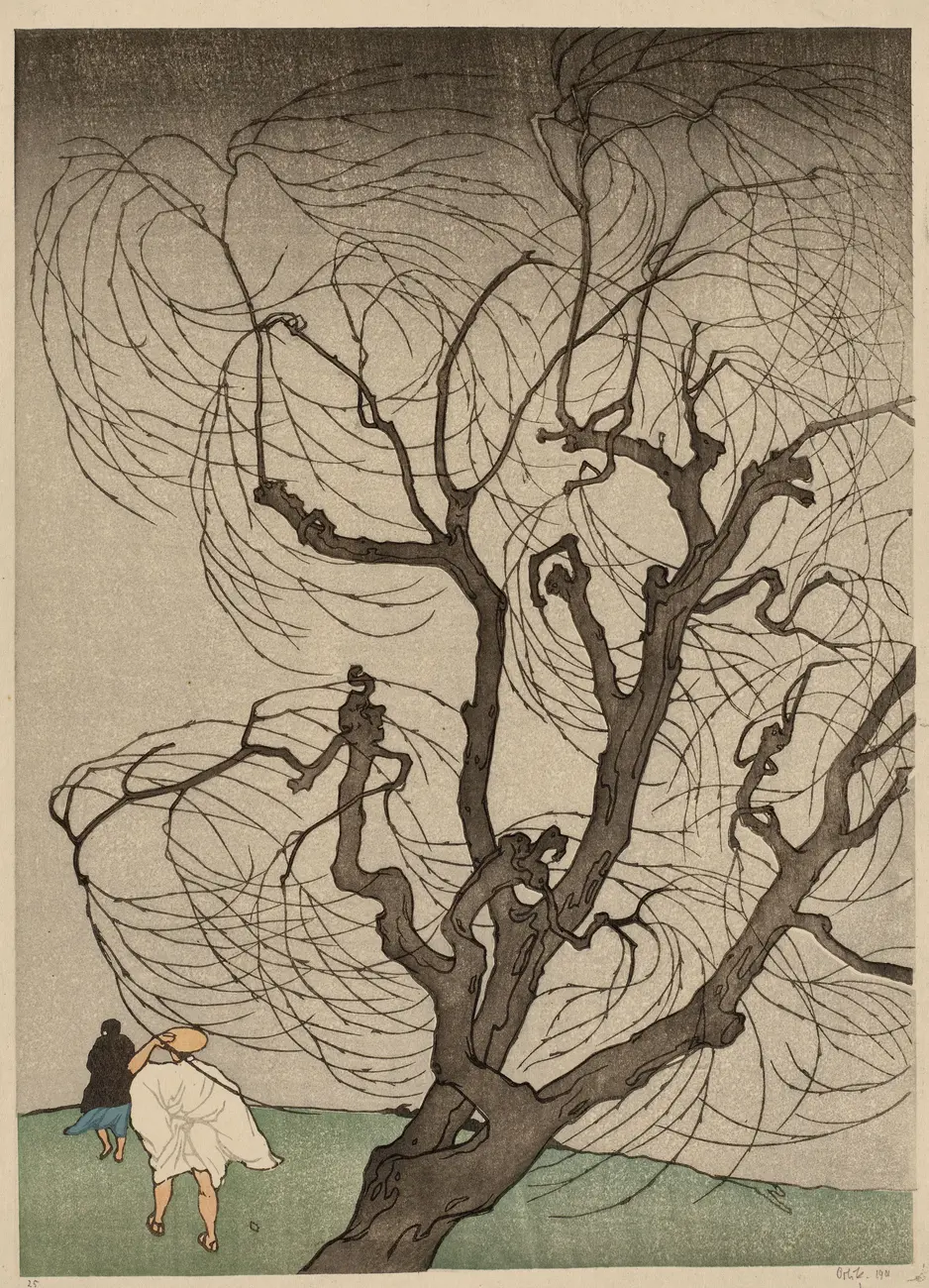
Roter Berg vor blauem Himmel mit weißem Wind.
© Kupferstich-Kabinett, Staatliche Kunstsammlungen Dresden, Foto: Herbert Boswank

Japan on Paper in Dresden

Utamaro, Hokusai, Hiroshige and the Graphic Arts of Modernism

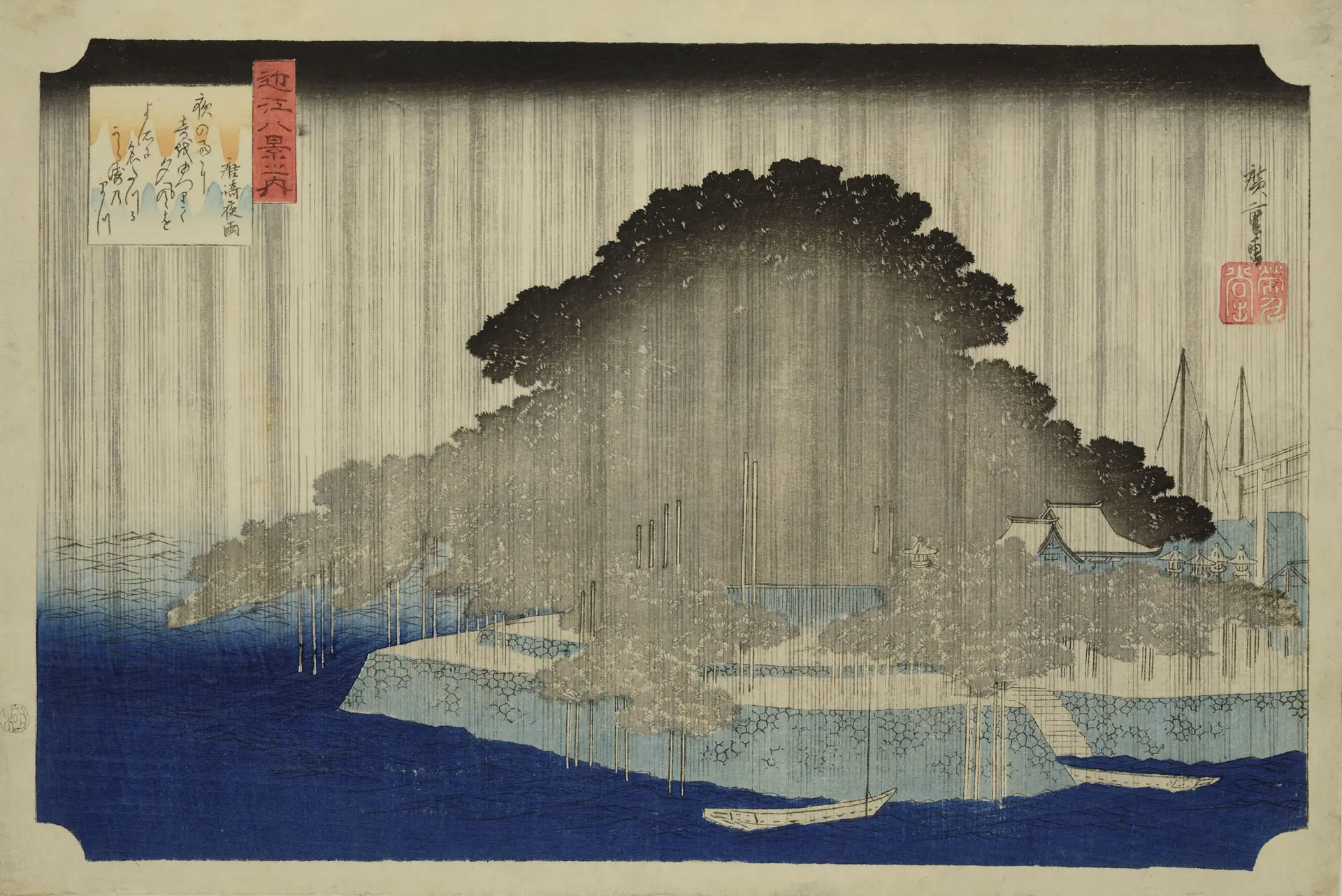
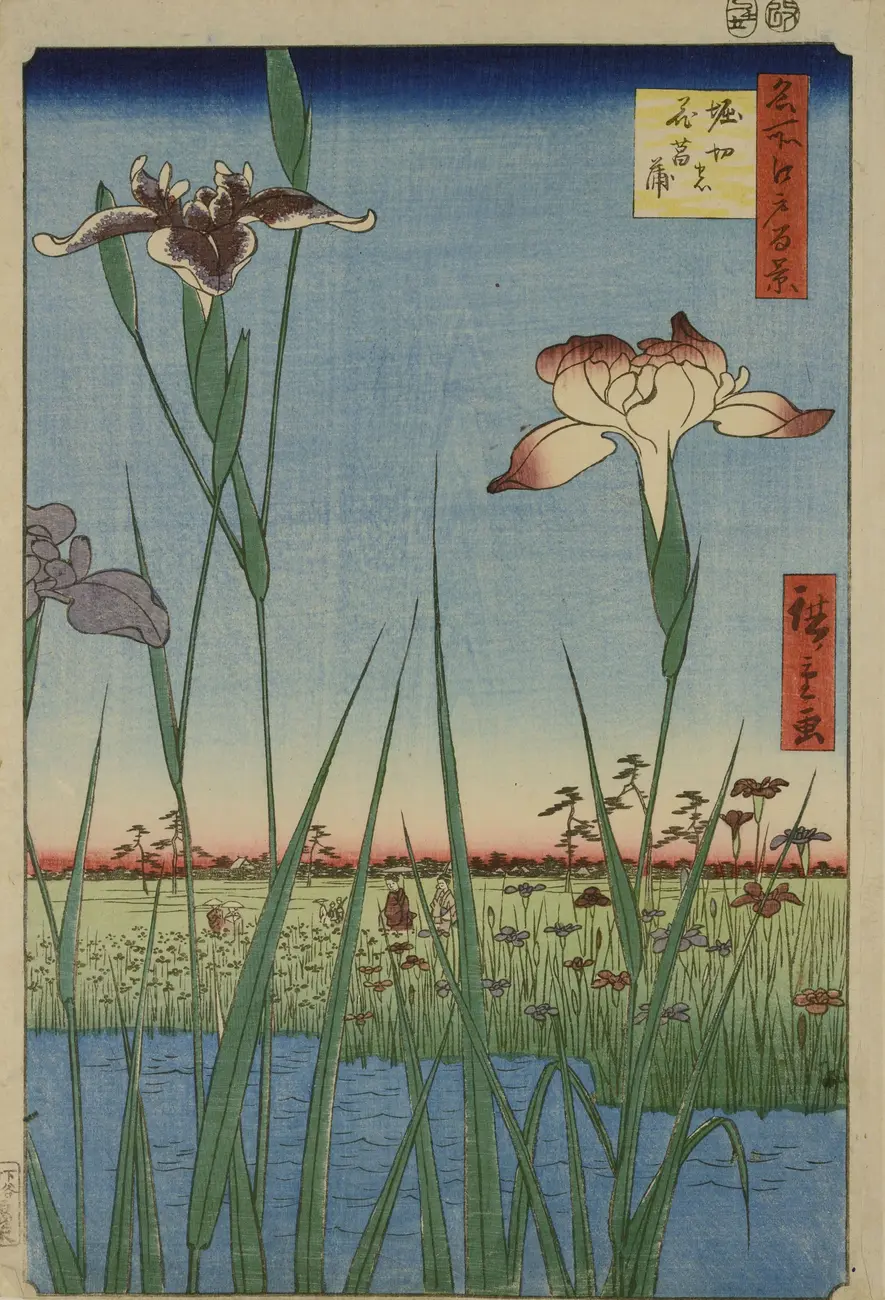
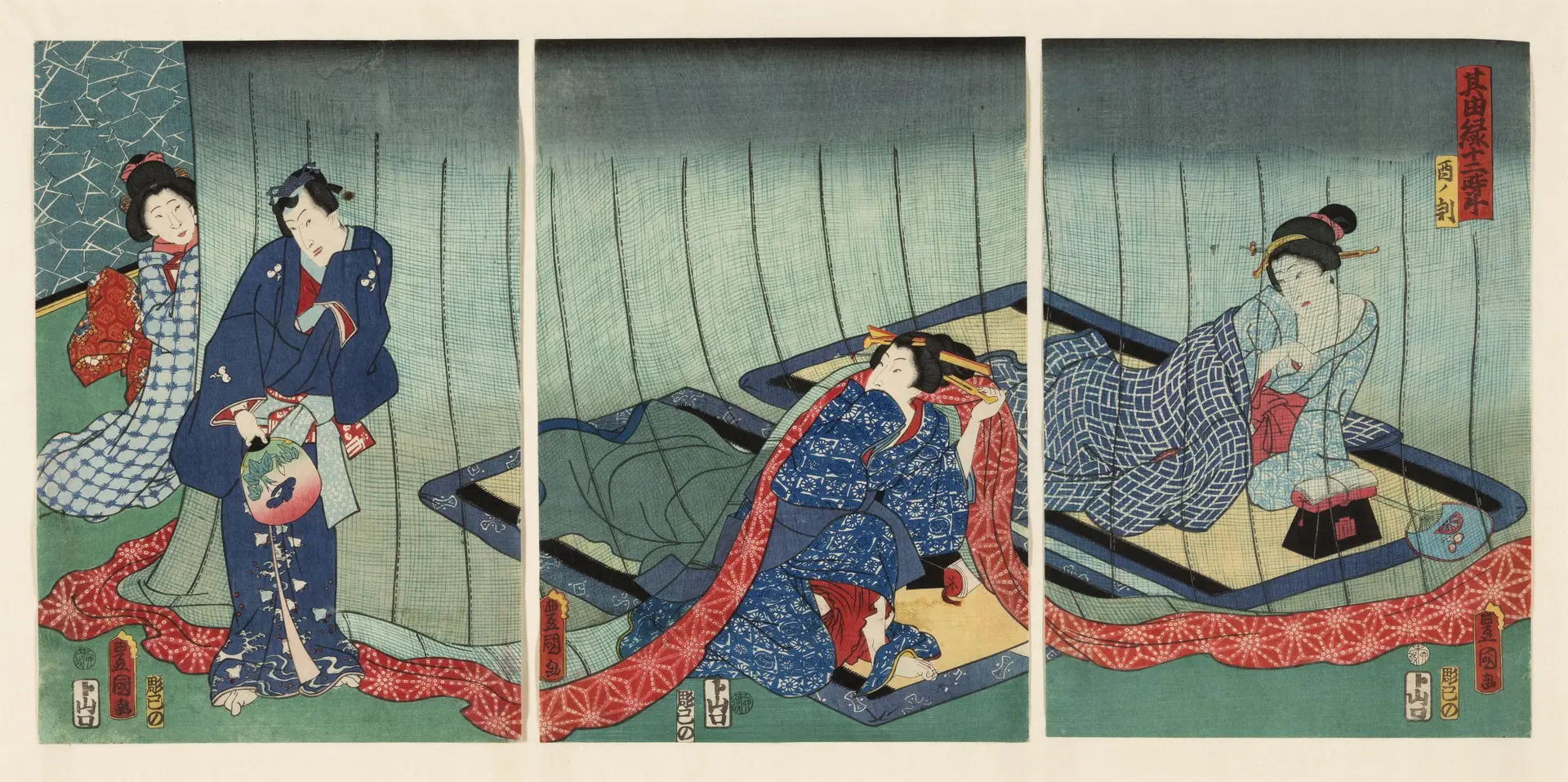
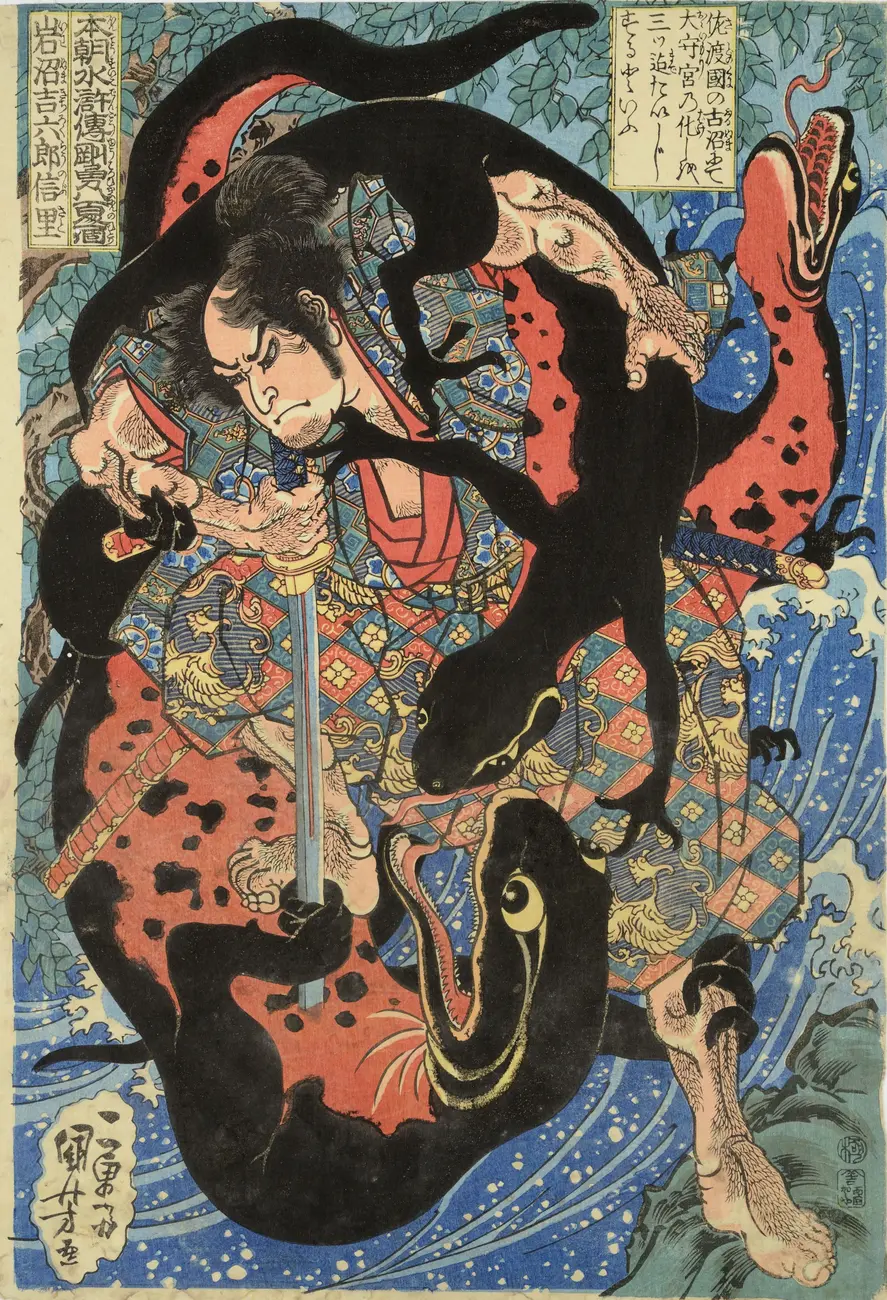
Daily life and legends, grace and wit, imagination and observation of nature – Japanese woodblock prints capture life from every angle. Utamaro designed beauties in delicate lines; Hokusai recorded everyday scenes with piercing clarity; Hiroshige created landscapes using innovative colour schemes and perspectives. 

  • Dates 26/06/2026—20/09/2026
  • Opening Hours daily 10—17, Tuesday closed
  • Admission Fees normal 6 €, reduced 4,50 €, pupils (under 20 years) 2 €, children up to school age free, groups (10 persons and more) 5,50 €

Japan auf Papier in Dresden.

Each work was the product of a collaboration between artists, woodcarvers, printers and publishers. Depending on the print run and the client, these woodcuts could either become prized collector's objects or affordable prints for the general public.

For almost 300 years, the Kupferstich-Kabinett has assembled one of Germany's most significant – and yet least known – collections of Japanese art on paper. In collaboration with research partners from Japan and Switzerland, its history has been documented, and the works have been digitised and restored. The
exhibition presents a selection from this collection of over 10,000 objects, many displayed publicly for the first time.

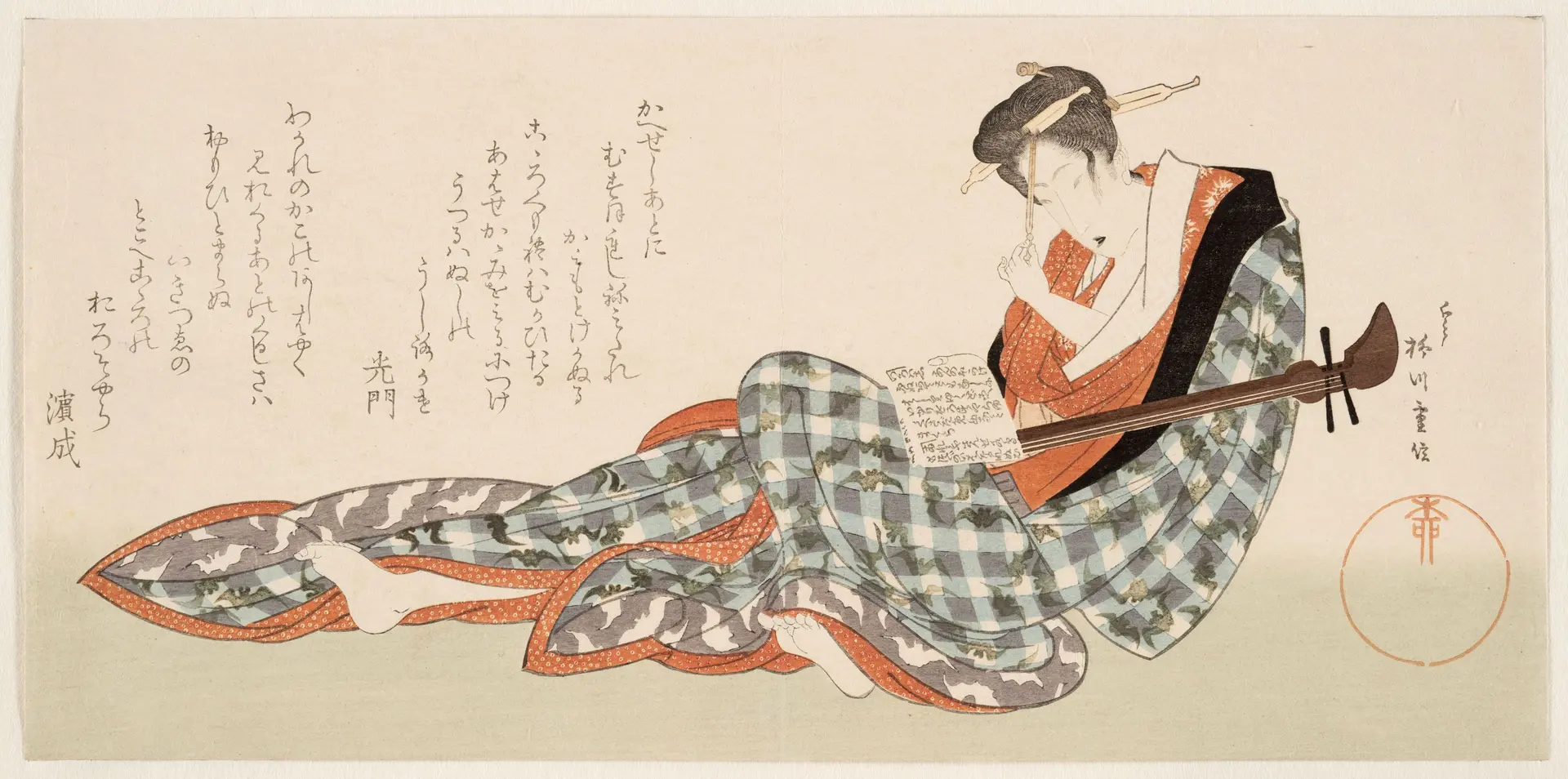
Zwei Frauen in Kimonos.
© Kupferstich-Kabinett, Staatliche Kunstsammlungen Dresden, Foto: Herbert Boswank
Kitagawa Utamaro I: Serie: Modelle junger Frauen mit Nebelgeweben (kasumiori musume hinagata 霞織娘雛形), Blatt: Bambusjalousie (sudare no kage すだれのかげ), um 1795

Japan auf Papier in Dresden

The Japanese works are juxtaposed with those of international artists – among them Henri de Toulouse-Lautrec, Edvard Munch, James McNeill Whistler, and
Mary Cassatt – who drew inspiration from Japanese art: experimenting with graphic techniques, discovering the expressive power of reduction, and exploring radical approaches to pictorial composition. It is a dialogue that shows just how profoundly Japanese graphic art has had a lasting impact on modern art
and continues to influence it to this day.

Frau in schwarzem Kimono bückt sich über einen Waschzuber, eine Kanne in der Hand.
© Kupferstich-Kabinett, Staatliche Kunstsammlungen Dresden, Foto: Herbert Boskwank
Henri de Toulouse-Lautrec, Elles. Femme au tub, 1896

slider Werke

Partners

Prof. em. Dr. Hans Bjarne Thomsen, Zürich
Prof. Dr. Ryo Akama, Ritsumeikan Universität, Kyoto 
Dr. Masaki Utsunomiya, Director Shubi Co., Ltd., Kyoto

Program

Research project

The exhibition is based on an extensive research project carried out in collaboration with international partners to catalogue the historical Japan collection.

To the research project

Privacy notice

When you play our YouTube or Vimeo videos, information about your use of YouTube or Vimeo is transmitted to the US operator and may be stored. In addition, external media such as videos or fonts are loaded and stored in your browser.
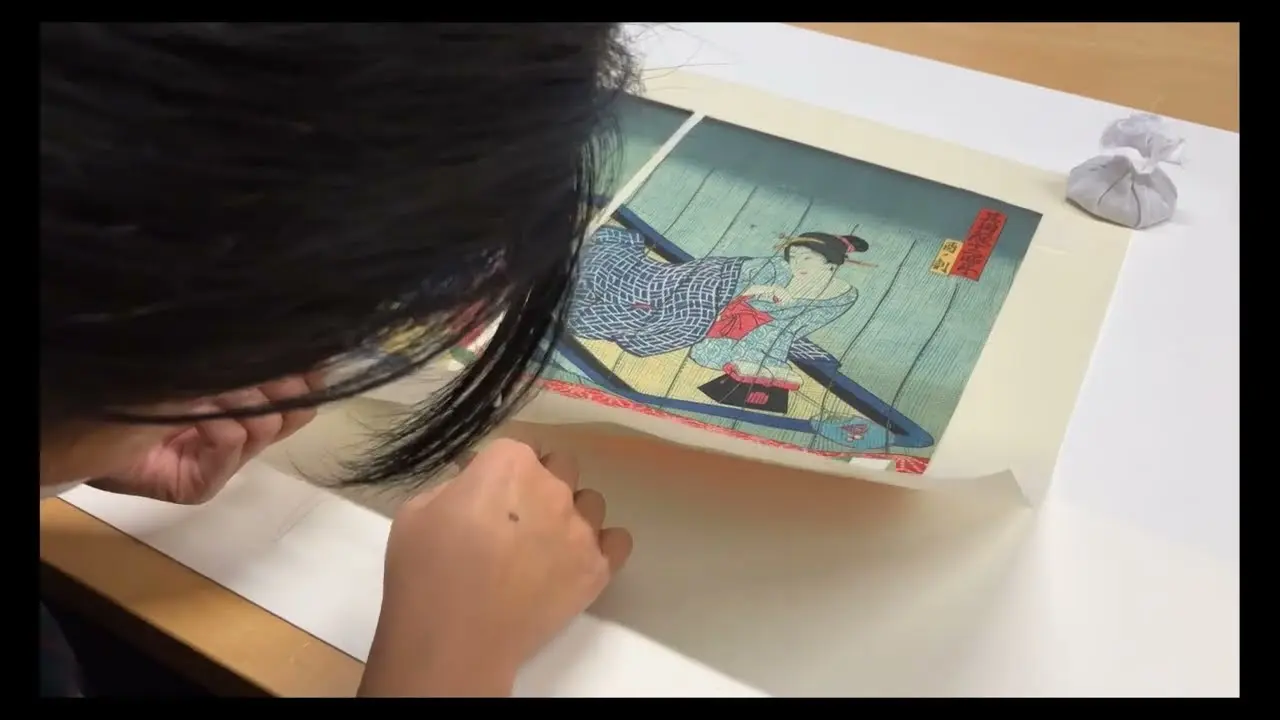
Restaurierung eines Triptychons von Utagawa Kunisada im Kupferstich-Kabinett Dresden

Forschungsprojekt

publication accompanying the exhibition

Japan auf Papier in Dresden. Utamaro, Hokusai, Hiroshige und die Grafik der Moderne

editor: Staatliche Kunstsammlungen Dresden, Petra Kuhlmann-Hodick, Hans Bjarne Thomsen, 320 pages, ISBN: 978-3-7774-4727-8, price: 40 €

Schirmherrschaft

The exhibition is held under the patronage of

Patrons and sponsors

Sponsors

weitere

Further Exhibitions

Kupferstich-Kabinett

in Residenzschloss

Portrait eines Mannes mit Hut und Vollbart

Münzkabinett

in Residenzschloss

Münzen, Medaillen und Orden

Kunstkammer

in Residenzschloss

Brettspiel mit 30 farbigen Holzsteinen

We are using cookies!

You can revoke your consent at any time.

The Staatliche Kunstsammlungen Dresden uses cookies to provide you with an optimal website experience. These primarily include cookies that are necessary for the operation of the website.

Click on "Accept all" to accept all cookies. You can change and revoke your consent at any time. For this purpose, the "Change cookie settings" button is available at the bottom of the page. Functional cookies will continue to be executed even without your consent.

If you would like to adjust the cookies used, you can reach the settings via the "Select" button.

You can find more information under Privacy or Imprint.

To top